 (469) 751-4018

-
Of course, a roof protects your home from storms, but it also influences other conditions within your home, like temperature, humidity, and energy efficiency.
-
A roof replacement is one of the highest costs a homeowner can expect to encounter. But upgrading to the right roof can prevent big repairs and save money over the long term.
Did you know that your roof plays a significant role in managing the temperature and moisture levels within your attic? And that has serious downstream effects. If your roof isn’t strong enough for Texas weather, it’s only a matter of time before the wear and tear starts affecting the inside of your home. That could mean damp insulation, higher strain on your HVAC system, and interior damage that becomes far more expensive to fix later.
While a strong, well-maintained roof won’t eliminate home expenses, it will prevent many of the surprises that lead to high, unplanned costs, and it could even reduce basic living expenses, as we’ll explore next. Here’s what Texas homeowners should know.
Roofs Affect Everyday Home Costs
The attic sits directly below the roof, so any problems with your roof tend to show up there first. A good roof will be able to withstand harsh Texas weather and keep the home’s insulation dry. If it doesn’t, then insulation will begin to hold more and more moisture, reducing its ability to regulate temperature. Not only will this keep the AC running, but it will also require repair: a crew will need to remove and replace it.
Attic ventilation plays a similar role. Your your roof is a system of interconnected parts. So, if your roof isn’t effectively reflecting heat, or if your attic isn’t well-ventilated, then the excess heat can keep HVAC equipment working overtime. Attic heat buildup can also accelerate the aging of your roof, such as by causing asphalt shingles to blister and curl, meaning even bigger repairs are soon to follow.
Together, these factors influence comfort and operating costs. At first, you might notice uneven temperatures, HVAC cycling on and off more often, or attic odors creeping down into living spaces. If moisture has entered the attic and saturated insulation or framing, indoor humidity can rise as well. As the problems progress, you might see water leaking through the ceiling and signs of more serious structural damage.
Saving Through Damage Prevention
That brings us to our next major point: the most expensive roof-related repairs begin with small problems, like a loose shingle, a cracked pipe boot, or a gap in flashing, that could have been prevented. Texas weather will always find these weak spots, letting water down into the underlying structure. That means mold, rot, and interior damage are soon to follow.
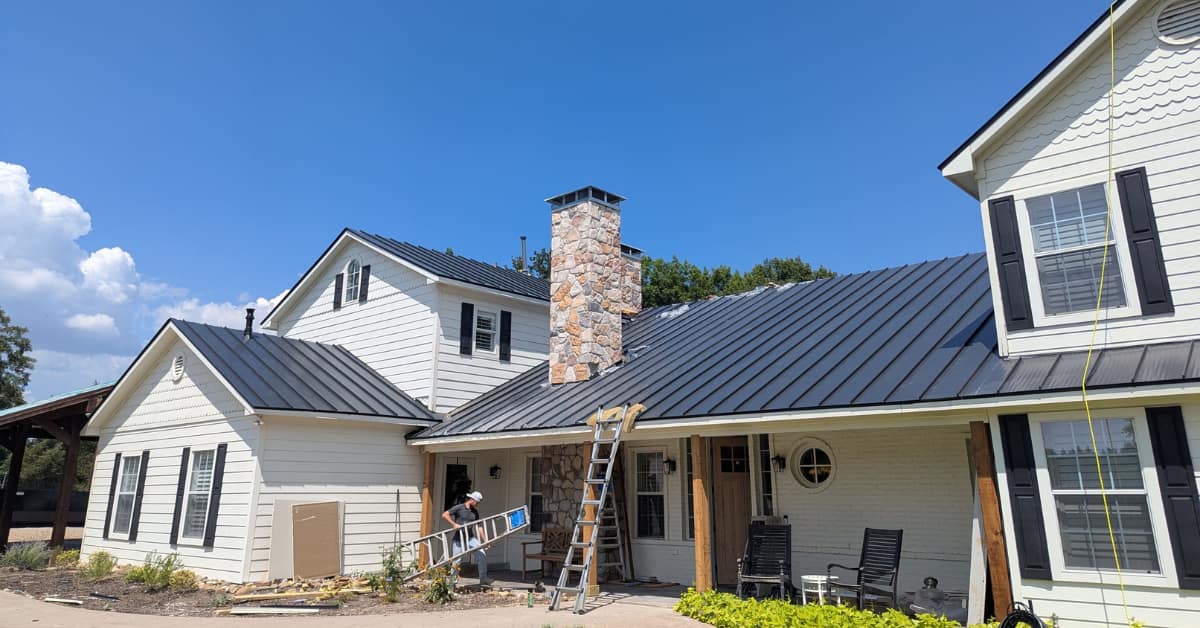
So, budget roofs aren’t saving homeowners money if they lead to costly damage like this. That’s why it’s so important to choose the right roof for Texas weather. For instance, while more expensive upfront, a metal roof requires much less maintenance than an asphalt roof, and it’s significantly more capable of taking on harsh Texas weather. Beyond avoiding expenses and making your home more comfortable and efficient, a great roof can even increase home value when the time comes to sell.
We’re Here to Help
Need more information about choosing the right roof or siding? If you have any questions or need assistance with damage, contact DFW Roofers at (469) 751-4018 or schedule an appointment through our online appointment form.