 (469) 751-4018

-
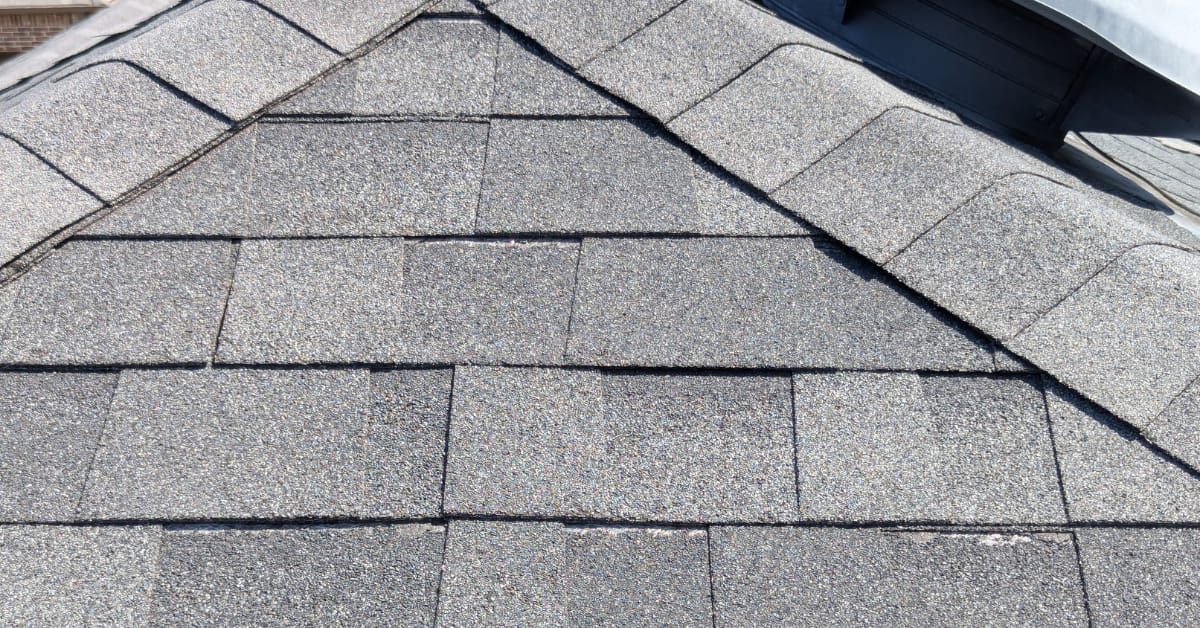
Curling or bubbling shingles usually point to trapped heat, poor ventilation, moisture under the roof surface, or an inadequate quality of shingles. Without early repair, it opens up the door to much more significant damage.
-
Texas heat speeds up aging and damage, especially on roofs with dark shingles or limited attic airflow. Even if you have high-quality shingles, they may erode faster if these underlying issues aren’t resolved.
-
Early inspection and repair prevent leaks, rot, and much more costly repairs and roof replacement later on. But even if a replacement is needed, it’s a chance to build a roof that can endure Texas’ harsh elements.
Shingles should lie flat against the roof, but on plenty of Texas homes, you’ll see them curling or bubbling. This isn’t just typical wear and tear but an early sign of roof damage, often due to high heat and moisture.
In Texas, long stretches of heat and sunlight speed up wear on asphalt shingles, so even newer roofs can curl or blister if ventilation isn’t adequate. That’s why, in this guide, we’re going to explore what causes blistering or curling shingles and how you can fix it.
1. Why Shingles Curl or Bubble
The biggest culprit of curling or bubbling shingles is trapped heat and poor ventilation, baking the roof. Hot air and moisture tend to collect in the attic, which is why attic ventilation is so important. If ventilation is inadequate, the high heat can dry out the asphalt and warp the shingles from below.
Heat and UV radiation from above can cause a similar problem. Years of direct sunlight will dry out the asphalt shingles of the oils that keep them flexible. Eventually, the brittle and dried-out shingles will begin to curl at the edges.
Water seeping underneath the shingles, due to penetrations, lifting, bad flashing, or cracked underlayment, can heat up and form steam pockets. Those pockets push against the shingle surface and form bubbles or blisters, opening up new spaces for the elements to get down into the roof.
We can’t rule out curling and blistering shingles due to poor installation or low-quality materials. Incorrect nailing, weak adhesive, or using shingles that aren’t rated for high temperatures can all lead to blistering and curling.
2. How to Fix Curling or Bubbling Shingles
Repairs will begin with an inspection. Because the problem often starts in the attic, your roofer will check to see if your attic feels too hot. If it does, then it’s probably a ventilation problem. They’ll check the intake and exhaust vent balance and recommend a fix.
The roofer will also check your roof for damaged shingles and leak points that may be contributing to the problem. If the damage is contained to a small area, then a few new shingles may be enough. But if moisture has reached the decking or the roof is older, a full replacement may be needed.
This opens up the opportunity to make sure you don’t have this problem again. Consider upgrading to modern shingles designed for high heat and UV exposure. This will significantly improve your roof’s ability to hold up to harsh Texas elements. Reflective or “cool roof” materials may also be worth consideration.
We’re Here to Help
Need an expert opinion? Don’t hesitate to contact the DFW Roofer team with your questions. Call us at (469) 751-4018 or schedule an appointment through our online appointment form.