 (469) 751-4018

-
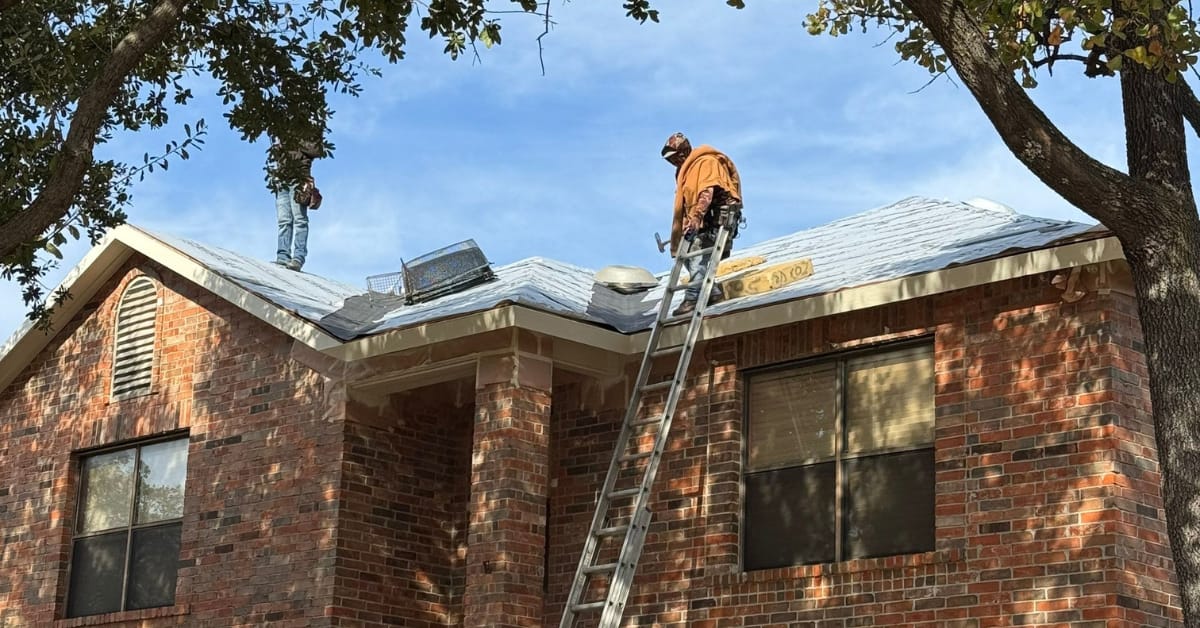
Roof color has a big effect on curb appeal since roofs account for so much of your home that’s visible from the street.
-
Texas neighborhoods usually follow a range of roof colors, so choosing a roof that fits that palette will make sure your home “fits” in the environment.
-
Lighting changes everything, so while you’re comparing roof samples against your home’s exterior, do it at different times of day. Light and shadow will affect what the colors look like.
We’ve already written about how big an impact a roof replacement can have on home value and curb appeal. Whether or not you’re selling your home anytime soon, choosing the right roof will keep your home safe and increase its value. To that end, there are plenty of cosmetic considerations to keep in mind. While different types of roofs are better for Texas weather, the patterns and colors of your roof matter in a different sense.
You’ll notice that, in many Texas neighborhoods, roofs share a few familiar tones: wood blends, grays, charcoals, blacks, and sometimes lighter tans for limestone or stucco homes. These are common because they fit common types of siding used throughout the state: brick, stone, and vinyl. So part of the matter is complementing the rest of the home.
But ultimately, choosing the right roof color is a personal choice. The formulation I’ve always liked is: the best roof is whichever one, out of all the options that complement your home and your neighborhood, you happen to like the most. Let’s dig a bit more into these cosmetic considerations now.
What to Keep in Mind While Choosing Roof Color
A roof is one of the largest visible surfaces on a house, so the color you choose will have an outsized impact on people’s perception of your home overall. In many subdivisions, builders and HOAs use consistent palettes for home exteriors to make sure nothing is out of place. Staying within those color families usually makes the home blend well with the rest of the street. And ideally, those palettes were chosen because they look good within your neighborhood’s environment.
When you’re checking sample colors, it’s important to remember just how big a difference lighting makes. If you’re in full sunlight, it will lighten most tones. If you’re in shade, tones will look cooler and more muted. It’s best to see what your sample colors look like during different times of day.
Architectural style is also worth thinking about. The same colors may “feel” better or worse suited to different styles of homes. So, think about what people with your style of home typically do. Someone in a brick ranch home may make different choices than someone in a very modern home. Typically, manufacturers offer guides and recommendations on palettes and home types.
Roof Color Families and Undertones Common in Texas
Most homes in Texas use materials with clear undertones. Red or brown brick has warm tones, while gray brick and painted siding have cool tones. Limestone and light stucco tend to sit in the middle. Roof manufacturers typically advise choosing shingle colors that match the home’s undertones rather than contrast them.
For instance, “weathered” wood and driftwood shades work on many Texas homes because they include both warm and cool granules. Charcoal and black give a cleaner, more defined outline on lighter exteriors. Tan and desert colors pair well with limestone and cream stucco. By understanding how these tones complement one another, it becomes easier to choose a roof that looks great.
The level of tone variation in the shingle is also worth thinking about. Homes with “busy” or multi-color brick usually look better with moderate blends instead of high-contrast patterns that enhance the home’s “busy-ness”. With simpler exteriors, blends with more variation can have a nice contrast.
But don’t get too intimidated. You can always take a drive down your street, where you’ll likely see similar homes with similar palettes, to get an idea of what your neighbors are doing and find what style you like best.
SM: Picking a roof color starts with one simple rule: choose a color you like that works with your home’s exterior. Brick, stone, and stucco each have undertones that affect how a roof looks from the street, and Texas sunlight changes those tones throughout the day. Our new guide explains how to compare real samples and choose a color that fits your home.
FAQ: What’s the best roof color for my home’s brick or stone? There isn’t a single best color for every house. The right roof depends on your exterior materials and the look you prefer. Weathered wood and driftwood blends usually work well on red or brown brick. Charcoal and black fit gray brick and painted siding. Tan and light blends suit limestone and cream stucco. The most reliable way to decide is to place full-size samples against your walls and check them in sun and shade.
We’re Here to Help
Need an expert opinion? Don’t hesitate to contact the DFW Roofer team with your questions about choosing the right roof. Call us at (469) 751-4018 or schedule an appointment through our online appointment form.